
How to Price Lingerie Properly (Without Killing Your Margins)
Pricing lingerie is where most brands quietly fail.
Not because they can’t design—but because they don’t understand their numbers. The result? Products that sell… but never actually make money. I’ve been there, where I’ve worked out the costs but still doubted my pricing.
Here’s the reality: lingerie pricing isn’t guesswork. It follows a structure—and if you get it right early, everything else becomes easier.
The Biggest Mistake
Most people only calculate fabric + manufacturing and call it a cost.
That’s not your real cost.
What gets missed:
Development and sampling
Packaging and branding
Shipping, duties, and wastage
If you underprice here, no amount of sales volume will fix it. This is why I love repeating designs as the price and leg work has been done. Also, customers will return knowing that that bra fit them and they come back to rebuy in another colour.
The Basic Pricing Structure
Lingerie pricing works in layers:
You produce the product
You sell to retailers (wholesale)
They sell to customers (retail)
You sell directly to customers
Each step needs margin—or the system breaks.
As a rough guide:
Wholesale is typically around 2x your cost
Retail is typically around 2x wholesale
But the why, when, and how to adjust this is where most brands get stuck—and lose money. I say “typically” as this is where I like to run those numbers to get an overhead view. Often retail can put x2.3 to 3.4 depending if they are a boutique or not.
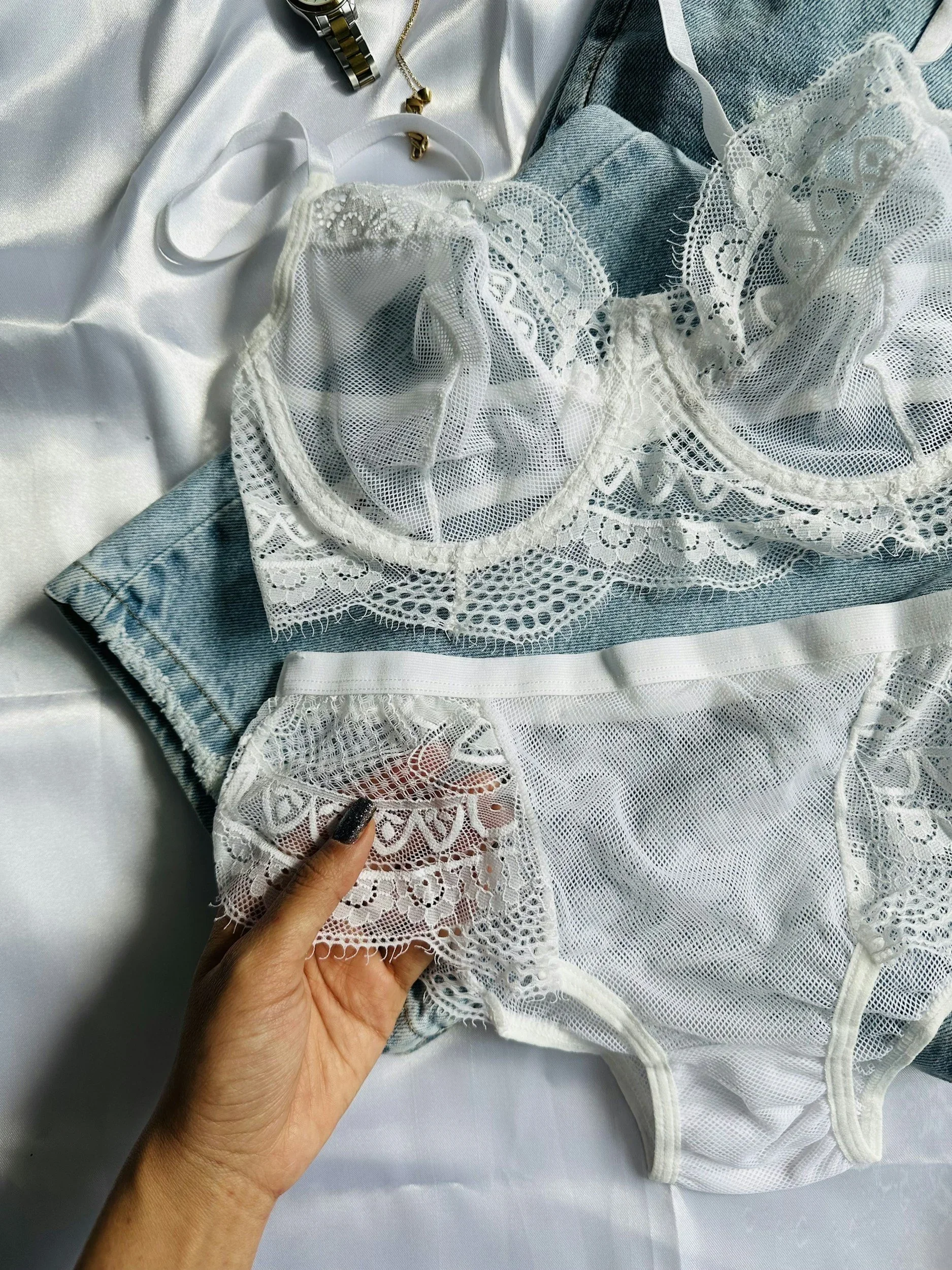
Bras vs Briefs: Not Equal
One of the easiest ways to lose margin is treating all products the same.
Bras carry more value and can support stronger markups
Briefs are more price-sensitive and often act as entry products
If you price them the same way, you’ll either overprice one—or undercut your profits on the other. You can move the percentages around, if your brief is coming out to high don’t put so much mark-up on the briefs, move that to the bra so you don’t underprice your bras or overprice your briefs. The briefs should be a choice to add on, if you overprice them you will be left with alot of briefs and not make enough profit on the bras to get the next collection.
Selling on Your Own Website
Selling direct sounds more profitable—and it can be.
But only if you price it correctly.
Many brands make the mistake of:
Undercutting their future wholesale pricing
Or pricing too low to sustain growth
Your direct pricing strategy needs to support both profit now and scaling later. What I mean by this is, it’s easy to think oh I’m only selling directly to customers so I can price lower, what that does is eliminate future wholesale and reduce your money in which you need for growth or to pay yourself.
Why People Get Stuck
Most lingerie brands hit the same issues:
Prices feel “too high” → so they lower them
Retailers push back → margins collapse
Sales happen → but profit doesn’t
This isn’t a sales problem. It’s a pricing structure problem. So how do we fix this?
You need to get the pricing right which means understanding: Your true cost per unit, the correct markup at each stage and how to balance wholesale and direct sales
So when you are pricing if you are selling lower than wholesale plus retail price, just be aware of that. Look at how much your briefs and bras price is, there may be a ceiling price for briesf so change the percentage of the mark up on the brief and add it to the bra. If you still feel that your lingerie is still coming out too expensive, you need to look at where you are aiming to sell your lingerie, maybe you need to be selling elsewhere.
I ran a costing masterclass video in the BRA-nd studio (a subscription of information for lingerie designers) where by we look at the above in more depth and how to work everything out. If you sign up you have the ability to go back and watch previous videos. If you wish to just just look at all the videos available, then please remember to cancel your subscription once you are done.